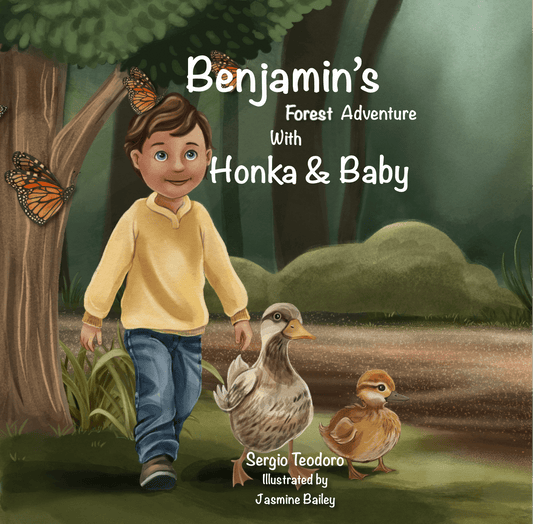
Care For Animals Through Children’s Books
sergio teodoroShare
Teaching Kids to Care for Animals Through Children’s Books
In today’s world, children are growing up more curious than ever about nature, animals, and the environment around them. One of the most powerful and gentle ways to guide that curiosity is through children’s books. Well-written picture books do more than entertain—they help teach important life lessons, including how to care for animals and understand what foods are safe for wildlife.
Why Children’s Books Are Powerful Teaching Tools
Children learn best through stories. When lessons are wrapped in engaging characters, colourful illustrations, and simple language, kids absorb information naturally and joyfully. Children’s books about animals help young readers build empathy, responsibility, and respect for living creatures.
Stories that focus on animals also create opportunities for parents and educators to start meaningful conversations. Questions like “What should animals eat?” or “Why can’t we feed wildlife human food?” become easier to explain when a story provides context.
Teaching Kids How to Feed Animals the Right Foods
Many children love feeding ducks, birds, and backyard wildlife—but without guidance, this well-meaning behaviour can sometimes cause harm. Books that explain what animals should and shouldn’t eat help kids understand that caring for animals means making healthy choices.
For example, teaching children that bread isn’t suitable for ducks or that wildlife needs natural foods encourages responsible habits early on. When these lessons are introduced through storytelling, children are more likely to remember them and apply them in real life.
Building Compassion and Responsibility Early
When kids read stories where animals are treated with kindness and respect, they begin to model that behaviour themselves. Children’s picture books can:
-Teach empathy and kindness
-Encourage responsibility toward animals
-Promote environmental awareness
-Support early learning and comprehension skills
These lessons are especially valuable during early childhood, when values and habits are still forming.
The Role of Parents and Educators
Parents, caregivers, and teachers play an important role in reinforcing the messages found in children’s books. Reading together allows adults to expand on the story, answer questions, and relate lessons to everyday experiences—like visits to parks, farms, or the backyard.
Choosing books that combine storytelling with education helps families create positive learning moments without pressure. Storytime becomes both fun and meaningful.
Choosing the Right Children’s Books
When selecting children’s books that teach animal care, look for stories that:
-Use age-appropriate language
-Feature relatable characters
-Share accurate information in a simple way
-Encourage curiosity and care for nature
Books that balance fun with learning are more likely to become favourites that children return to again and again.
Teaching Through Stories, One Page at a Time
Children’s books have the unique ability to shape how kids see the world. By introducing stories that teach how to care for animals and feed them the right foods, we’re helping raise thoughtful, compassionate, and informed little humans.
If you’re looking to support your child’s learning while enjoying quality reading time together, explore children’s books that celebrate animals, nature, and responsible care. Teaching kids important life lessons can start with something as simple—and powerful—as a story.
Let’s teach them—one book at a time. Thanks for taking the time to read this blog post Regards, Sergio